

Designing a Space for Parents, Not Just Children
The Challenge
“Where are all the moms going?” I noticed a gap walking through my Toronto neighborhood: every café was filled with open laptops and an unspoken expectation of quiet productivity. Meanwhile, the area was full of young families, play centers, and after-school programs. Parents had nowhere to gather that welcomed the reality of children—noise, mess, and all.
Through ongoing conversations, I discovered more issues. Shops that forced parents to keep their strollers outside, requiring them to unload their child and belongings in poor weather conditions. Dirty wall-mounted change tables in small bathrooms. The challenge wasn’t creating another play space. It was creating a space where parents could be without guilt or apology.
Tools & Methods: Ethnographic Observation • Customer Interviews

The Insight
Parents, Not Children
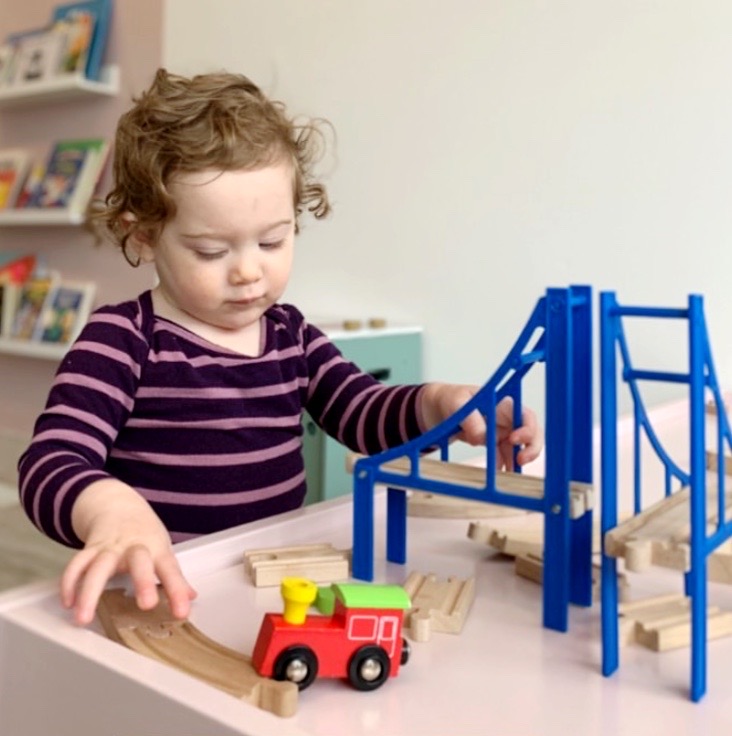
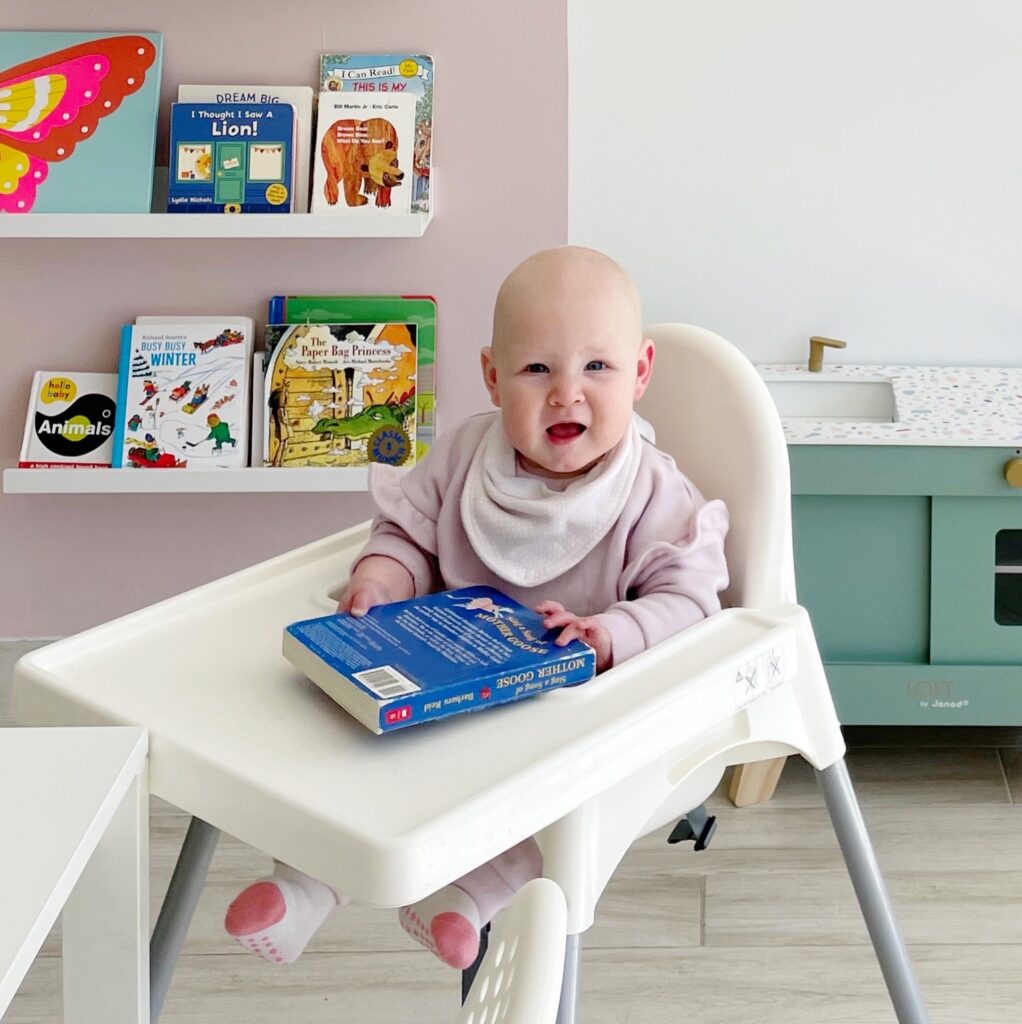
At first glance, it looks like the space is for children, but it’s not. It’s for the parents. A subtle yet distinct difference. The colours are muted, not primary colours. Pop music plays in the background, not Disney anthems. The toys allow parents a peaceful moment to enjoy a *hot* cup of coffee. The baby mat is a meeting space for new parents to build their support network.
Constraint as Opportunity
A budget constraint became the key differentiator. Customer Wi-Fi would have required significant installation costs plus ongoing monthly fees—prohibitive for a small bakery. But through customer conversations, I realized this “flaw” was actually an asset: parents needed spaces where they wouldn’t feel guilty about children disrupting laptop workers. By positioning the lack of Wi-Fi as intentional rather than apologizing for it, the café signaled its purpose clearly: This is a space for conversation and community, not solitary productivity. The constraint became the brand.
Tools & Methods: Constraint-Driven Innovation • User Needs Mapping • Strategic Positioning
The Approach
Community-Led Design
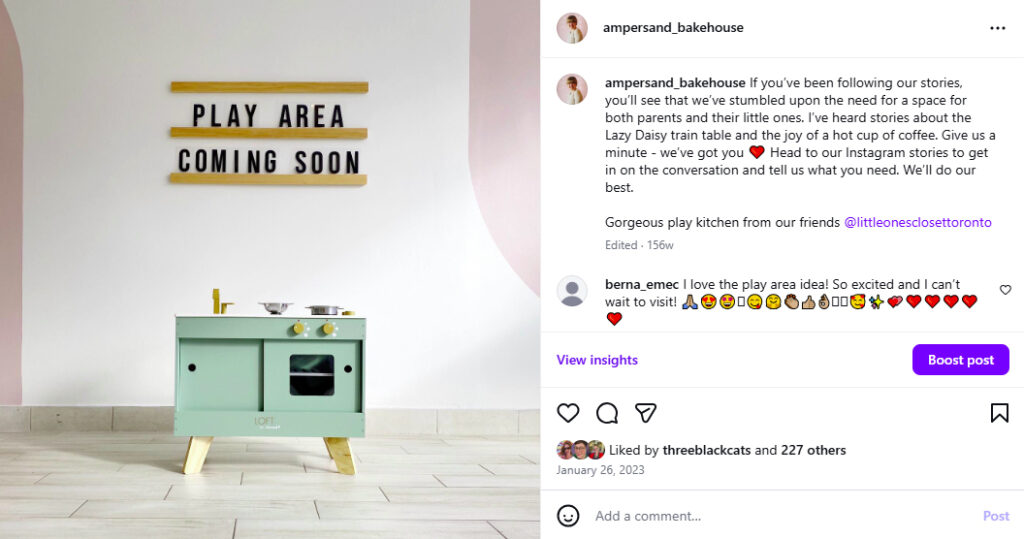
I started building out the space with a play kitchen from Little Ones Closet, a children’s clothing and toy store right next door. Soon after, a parent from across the street donated their unused train table and others brought in board books. The space evolved organically through observation and contribution.
Tools & Methods: Participatory Design • Iterative Prototyping • Community Co-creation
Intentional Design Decisions
- Open Space: Wide ramp into the bakery with space for strollers and wagons to move around. Physical space that welcomed the reality of parenting gear.
- Play Area: Small play area with children’s library, play kitchen, train table and colouring sheets to keep small children entertained so parents could savour a quiet moment or connect with other adults.
- Washroom: Accessible washroom on the main floor with a real change table (not wall mounted) and diaper genie to reduce barriers for parents with infants.
- Work-Free: No wi-fi or power outlets to interrupt anyone working with kids playing (or crying). Eliminated the “quiet workspace” expectation, creating permission for children to be loud.
Tools & Methods: Spatial Design • Service Design • Accessibility Planning • Experience Mapping
Complementary Services
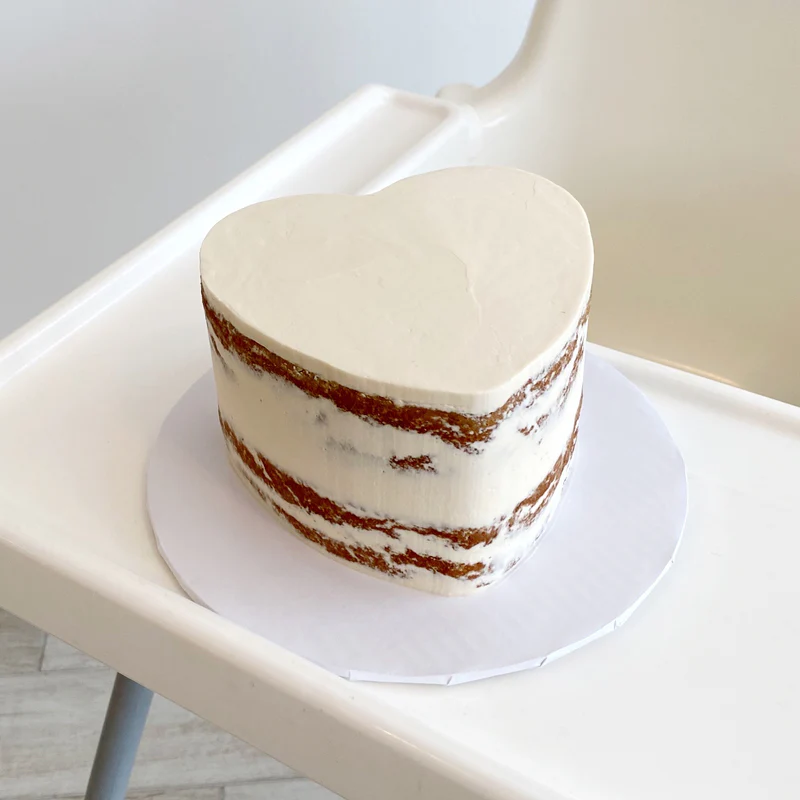
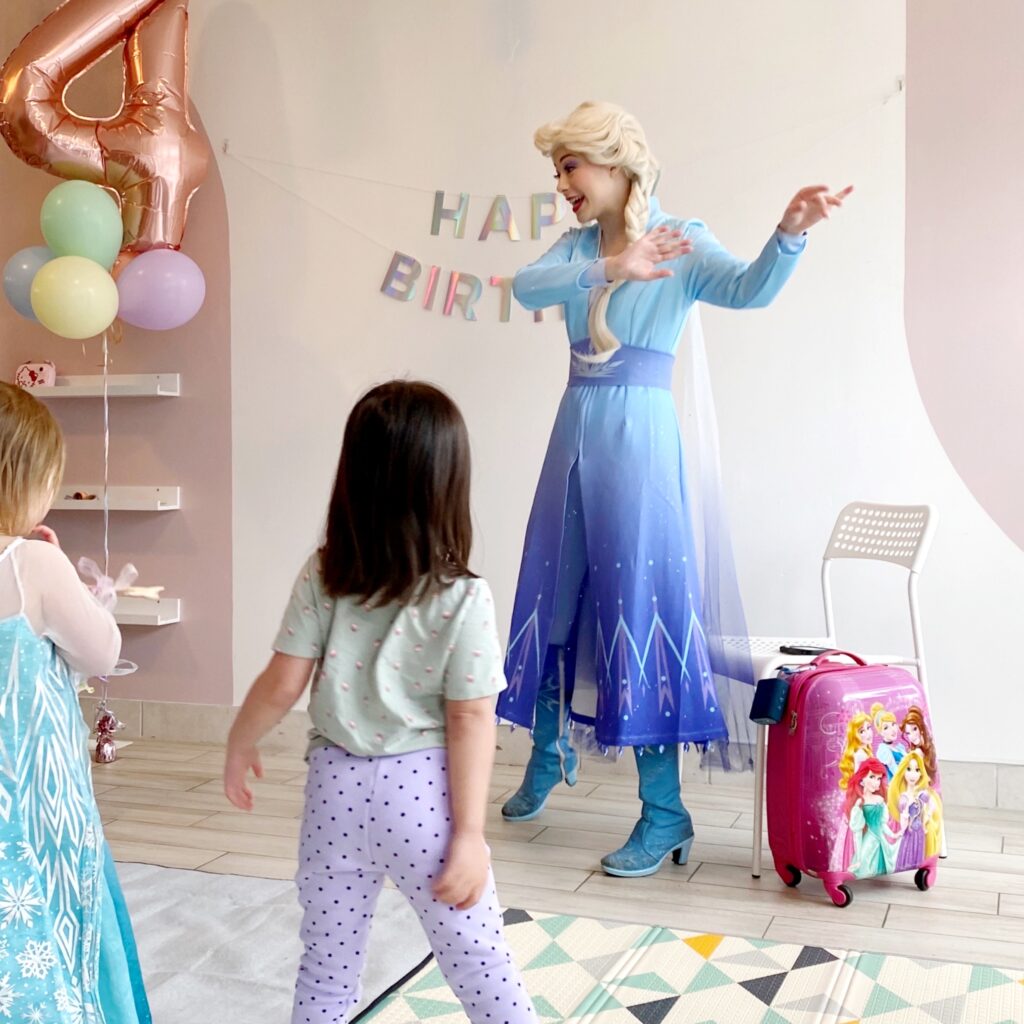
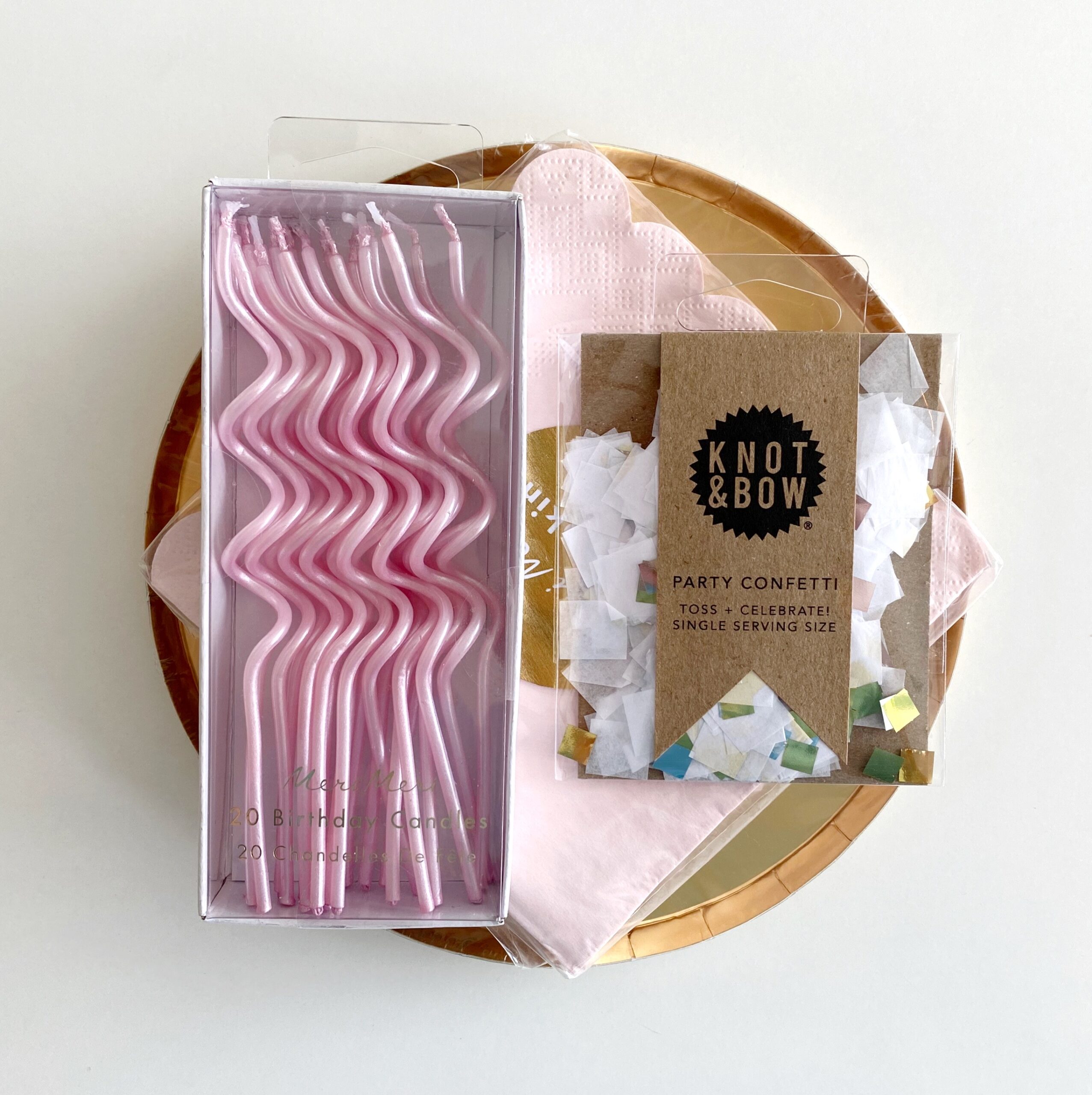
With a space centered around parents with infants and young children, it was easy to develop products and services for their unmet needs. The Baby Smash Cake was a birthday cake made with healthy ingredients like bananas, greek yogurt and sweetened with maple syrup for health-conscious parents. Our café was available for private party rentals when parents needed a space slightly bigger than their living room for friends and family. With our cute decorations and cupcakes included, the hosts could just show up. If they did need any last-minute party supplies, we sold birthday candles, party plates and napkins that matched our décor.
Tools & Methods: Product Development • Service Design • Brand Positioning
The Outcome
By designing for parents, not just children, the space gave permission for families to exist in public without conforming to adult-only norms. The family-friendly positioning differentiated Ampersand Bakehouse from work-friendly competitors and created a loyal, recurring customer base.
The café became a weekly gathering place for new parents building their support networks. Gift card sales rose as a way to treat new moms with “guilt-free coffee” during their maternity leave. I connected with local groups like East End Mom Friends and Mommy Connections as a space for their meetups. The Baby Smash Cake became the top-selling cake. (Perfect with the simple design for fast production.) The Private Party Rentals created revenue when the café was closed.
Tools & Methods: Customer Journey Mapping • Impact Assessment • Business Model Innovation
Reflection
This project demonstrated that human-centered design isn’t just about observing users—it’s about understanding whose needs aren’t being met by existing solutions. Parents didn’t need another play space. They needed permission to gather without apology. The success came from a counterintuitive design choice: removing features (Wi-Fi, work-friendly atmosphere) rather than adding them. Sometimes the most innovative solution is creating space for what already wants to exist.
